Bioidentical Hormones for Weight Control
.jpg&w=64&q=75)
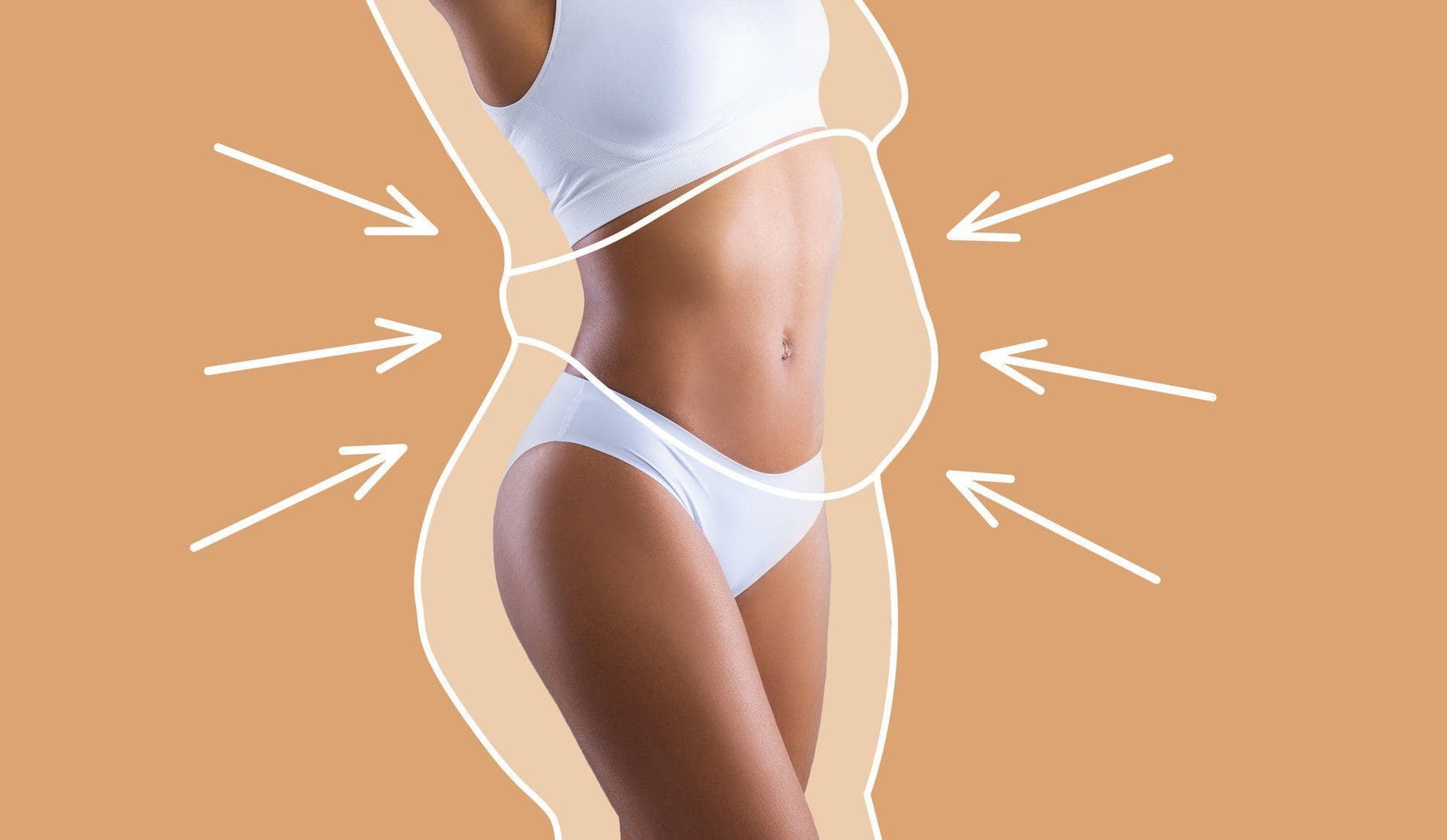
Many people try to lose weight by going on diets, going to the gym, running in the park, trying detox programs, and avoiding alcohol. Often this leads to little or no weight loss. This experience can be frustrating, and many then blame the yo-yo effect or aging for their struggles.
However, diet and exercise aren't always responsible for weight gain. There are more pleasant ways to support a diet. Learn more about our alternative method here.
"Success is never the result of a single event, but the result of changing small, simple, and lasting habits." [1] Stu Schaefer, Weight Loss Expert, USA
Fat Cells and Weight Loss: The Influence of Hormones
The number of fat cells in our body is genetically determined from birth and does not change throughout life. What we can influence is the size of these cells, which increase or decrease in volume under the influence of certain body hormones.
The key to losing weight without strict diets or intensive exercise, especially during menopause, lies in bringing these hormones in our body into balance.
It is important to support hormones that burn fat. These are present in sufficient quantities in most women and men. However, they can be inhibited or even blocked by hormone deficiencies (such as estrogen, progesterone, testosterone, thyroid hormones), unnecessary diets, and misunderstandings about how the body works.
Hormones that contribute to fat accumulation should be reduced in their activity. These hormones are present in normal amounts in every woman. However, they can be activated by lack of exercise, decline in muscle mass, and inappropriate eating habits. To avoid this, it's important to stay active, maintain muscle mass, and maintain healthy eating habits.
Why Hormones Influence Body Weight
Hormones play an important role in metabolism[2] and in regulating body weight. Among other things, they control how the body uses energy, how fat is stored, and how strongly feelings of hunger or satiety are expressed.
Especially during certain phases of life, such as menopause, the hormonal balance changes significantly. Declining levels of sex hormones like estrogen can lead to changes in fat distribution within the body. Studies show that during this time, more fat is often stored in the abdominal area while muscle mass may decrease at the same time.
Which Hormones Play a Role in Body Weight
Several hormones influence metabolism and can therefore also affect body weight.
Estrogen: Estrogen is an important hormone for energy and fat metabolism[3]. A declining estrogen level can lead to increased fat accumulation in the abdominal area and changes in body composition.
Thyroid hormones: The thyroid gland produces hormones such as T3 and T4. These hormones regulate the body’s basal metabolic rate and determine how quickly energy is used. In cases of hypothyroidism, energy expenditure can decrease, which may promote weight gain.
Cortisol: Cortisol is often referred to as the stress hormone. Persistently elevated cortisol levels can affect metabolism and promote the accumulation of abdominal fat.
Testosterone: Testosterone also plays a role in muscle mass and fat distribution in both women and men. Low levels can lead to a decrease in muscle mass and reduced energy expenditure.
Ultimately, the interaction of these hormones determines how efficiently the body uses energy and how easily fat is gained or lost.
Calories are not the only factor for weight gain
It's not just about the calories we eat, but also about how our body responds to them. Every food we consume triggers a chemical reaction in the body and influences our hormones. It's important to know which foods to eat at what time of day and in what combination to avoid interfering with the body's natural fat burning process.
Effects of strict diets on hormones and metabolism
Strict diets with few meals can impair the ability of hormones to function properly. The body responds by storing energy in the form of fat. Even with a low calorie intake, this can result in not losing weight but instead losing muscle mass, which you need for fat burning! Muscles are crucial for fat burning, so it's important to maintain and strengthen them through proper nutrition and movement.
Metabolism Reactivation
The reactivation of metabolism can occur through the supplementation of bioidentical hormones or through treatment with thyroid hormones. When hormonal imbalances are corrected, metabolism may also normalize and function more efficiently again. This helps the body use energy more effectively and regulate fat metabolism.
Maintenance of metabolism
Maintaining metabolism is supported, among other things, by preserving and building muscle mass. Muscle tissue is one of the most metabolically active tissues in the body and plays an important role in energy expenditure. The more muscle mass the body has, the more energy it can burn even at rest. For this reason, regular physical activity and maintaining muscle mass are important factors for a stable metabolism.

The path to less weight
Those who want to permanently change their appearance and body weight in a pleasant way need hormonal balance and a gradual adjustment of certain habits that often go unnoticed.
Important notes from Dr. Isabella Wilden:
- Awareness of habits: Many of our daily routines affect our hormonal balance without us noticing.
- Gradual change: A gradual adjustment of these habits can be more effective and sustainable than drastic changes.
- Hormonal balance: A balanced hormone system is crucial for healthy body composition and weight regulation.
My tip: Pay attention to the small things in your daily life that could influence your hormonal balance. Even minor adjustments to your diet, sleep patterns, or movement routine can have a positive effect. Individual consultation can help identify and adjust unnoticed habits.
A diet, supported by hormones, only with medical supervision!
As a hormone expert and physician, I, Dr. Isabella Wilden, want to emphasize that when it comes to weight management, calories are not the only factor to consider.
It is important to understand that the information in this article is not universally applicable and requires individual consultation. The relationship between nutrition, hormones, and weight management is extremely complex and varies from person to person. Applying these principles generally without considering personal health situations can be misleading and lead to false expectations.
Considering this, medical consultation is essential. During an appointment, I can evaluate your individual hormone levels and health conditions to develop a nutrition and lifestyle plan tailored specifically for you. This approach ensures that nutritional recommendations support your personal health and hormone balance, rather than being based on general assumptions.

Your 3-Month Plan with Dr. Isabella Wilden
This plan is highly personalized to you and requires close collaboration with me as your physician to address your individual health needs and goals.
- Online Contact: Schedule a 50-minute online consultation via Jameda to discuss hormonal imbalances.
- Blood Analysis: After the online medical history consultation, have a blood analysis of certain hormones performed by your general practitioner.
- Hormone Therapy: Based on the results, therapy with natural, bioidentical hormones or thyroid hormones, prescribed through my practice, can begin.
- Individual Nutrition and Exercise Plan: Creation of a weekly nutrition and exercise plan tailored to your needs, physical condition, goals, and budget.
The nutrition plan will be reviewed and adjusted in weekly 20-minute online follow-up consultations with medical coordination.
.jpg&w=640&q=75)
Isabella Wilden
Dr. Isabella Wilden is a dedicated physician from Germany who became an expert in bioidentical hormones following her own health challenges. With the goal of inspiring others, she shares her journey from chronic illness to restored health and today offers her expertise to help other women facing similar issues.
Frequently Asked Questions & Answers
Which hormones most effectively boost metabolism during menopause?
Thyroid hormones and steroid hormones can accelerate metabolism.
Do bioidentical hormones cause weight gain?
Bioidentical hormones do not lead to weight gain. In some cases, mild water retention may occur temporarily at the beginning of therapy. However, these changes do not affect the body’s fat mass. When a hormonal imbalance is corrected, metabolism can stabilize and make weight regulation easier.
How long does it take for hormones to influence metabolism?
Hormonal balance does not change within just a few days. When hormonal therapy is started, it can take several weeks or months before changes in metabolism or overall well-being become noticeable. The exact timeframe depends, among other things, on individual hormone levels, lifestyle, and overall health.
Can hormone therapy reduce abdominal fat?
Hormonal changes can influence where fat is stored in the body. Especially during menopause, fat is more frequently stored in the abdominal area. Hormone therapy may help counteract these changes in fat distribution.
Can stress and sleep hormonally influence body weight?
Yes. Hormones are sensitive to factors such as stress, lack of sleep, or irregular lifestyle habits. Persistently high stress levels can increase cortisol levels, which can affect metabolism and fat distribution. Adequate sleep, regular physical activity, and a stable daily routine can therefore also play an important role in hormonal balance.