Sensitive Nipples During Menopause: Causes, Symptoms and What Helps
Sensitive or painful nipples can suddenly become a prominent concern during midlife.
Posts on Hormonal Balance During Menopause.

Sensitive or painful nipples can suddenly become a prominent concern during midlife.

Menopause is a natural phase in every woman's life, characterized by significant hormonal changes that can affect various aspects of health. One of the less discussed but frequently occurring issues during this time are changes in the breasts, which can be accompanied by pain and hypersensitivity.


Are menopausal symptoms "normal" for all women? In other words, are they predestined to experience them? The collective consciousness says: Yes! Many believe that women must inevitably go through years of hot flashes, irritability, joint pain, sleep disorders, and depression. Then their hair starts falling out, skin becomes dry and wrinkled, and desire for sex and social events diminishes. It seems the best course of action would be to resign oneself and focus on the grandchildren. And this would be the best-case scenario, provided no serious illnesses like rheumatism, cancer, or heart attack occur.

There are several types of fatigue that we must consider when administering bioidentical hormones.

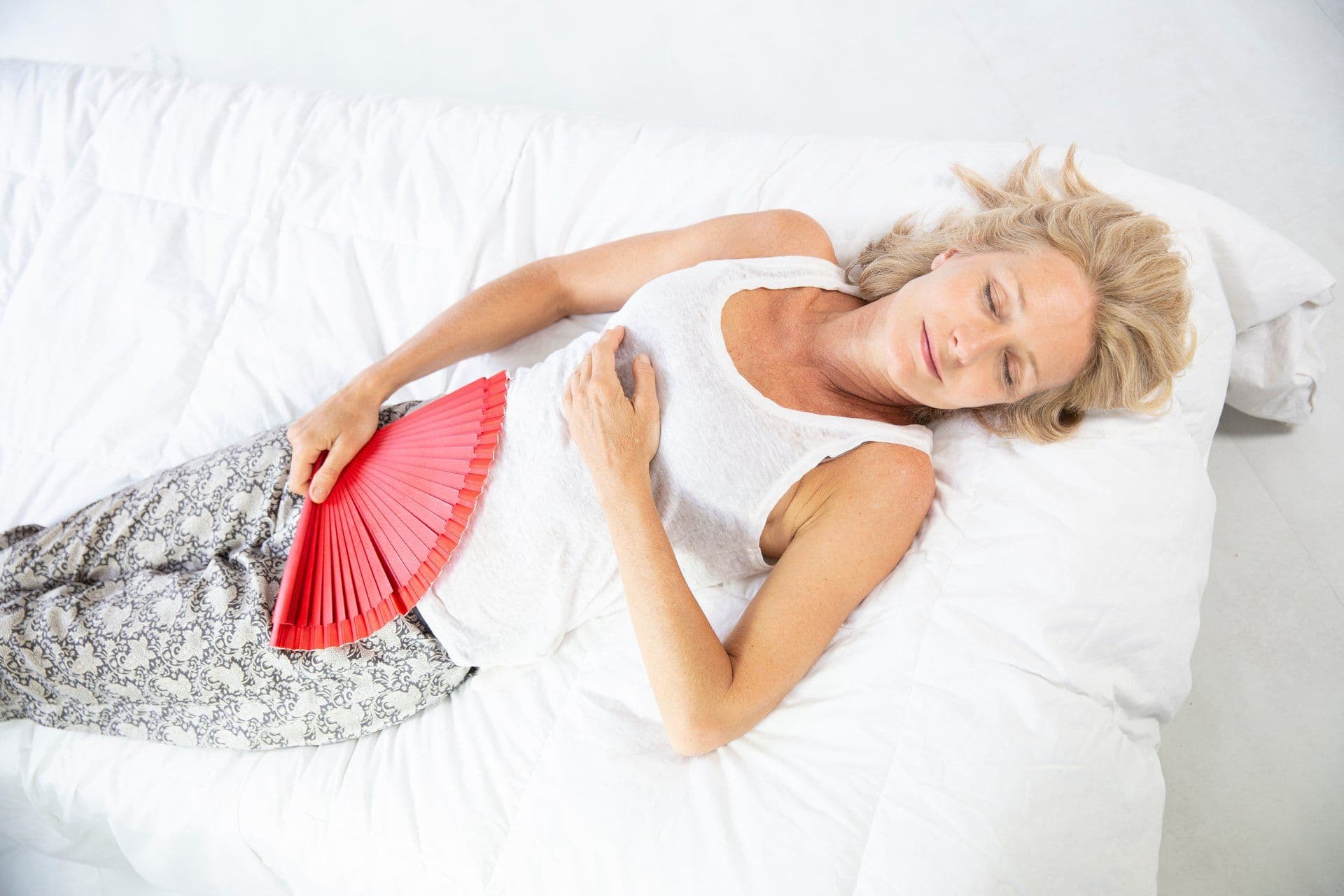
Hot flashes are the most common bothersome symptoms during menopause. They can occur during the day or at night (also called night sweats). Up to 80% of women experience hot flashes during the transition to menopause and after menopause, with most women rating the severity of their hot flashes as moderate to severe. At least half of these women suffer from hot flashes for more than seven years during menopause. Hot flashes and night sweats have a significant impact on sleep, mood, and cognitive functions.

Our genes shape more than just visible traits like eye color or height. They play a profound role in how we feel and how we navigate life's stresses. Think of our brain cells as carrying an ancestral "instruction manual" - a deeply personal legacy passed down through generations that we cannot alter, yet shapes our daily experience of life.

Many women experience joint pain in the time leading up to menopause. These pains sometimes come with swelling that we call edema. About one in four women experiences joint pain during menopause, even if they don't have hot flashes or other typical signs.