Joint pain during menopause
.jpg&w=64&q=75)

Many women experience joint pain in the time leading up to menopause. These pains sometimes come with swelling that we call edema. About one in four women experiences joint pain during menopause, even if they don't have hot flashes or other typical signs.
Why Joint Pain Occurs During Menopause
During menopause, the body’s hormonal balance changes significantly. In particular, levels of the hormone estrogen decline. However, this hormone plays an important role in many processes in the body, including the health of joints, cartilage, and connective tissue.
Among other things, estrogen supports the production of collagen. Collagen is an essential component of cartilage, tendons, and ligaments. When estrogen levels drop, the body may also produce less collagen. As a result, joints can lose stability and elasticity.
At the same time, estrogen influences the production of joint fluid[1], also known as synovial fluid. This fluid helps joints remain flexible and allows cartilage surfaces to glide smoothly over one another. When estrogen levels decrease, the amount of this fluid can also decline. As a result, cartilage may dry out more quickly and joints become less well lubricated.
Many women therefore notice symptoms[2] such as stiffness, pressure, or pain in their joints during this time. Especially in the morning or after longer periods of rest, joints may initially feel stiff or difficult to move. These changes are a common reason why joint pain often occurs shortly before or during menopause.
Diagnosis of Joint Pain
An early sign of joint discomfort can be that rings suddenly feel tighter or no longer fit properly. Some women also notice that their hands, feet, or individual joints feel swollen or stiff. These changes are often caused by mild fluid retention or irritation in the joint area.
The symptoms can appear in different ways. Typical signs include morning stiffness after getting up, pressure pain in the joints, a pulling or throbbing sensation during movement, or pain after physical activity. Some women also report migrating joint pain, where the discomfort occurs in different joints at different times, for example in the hands, knees, or other areas. Feelings of tension or mild swelling may also occur.
For diagnosis, it is important to consider your personal medical history as well as illnesses that run in the family. In some families, joint conditions such as rheumatism or osteoporosis occur more frequently, for example in the mother or grandmother. Such information can be helpful for a doctor when assessing the symptoms.
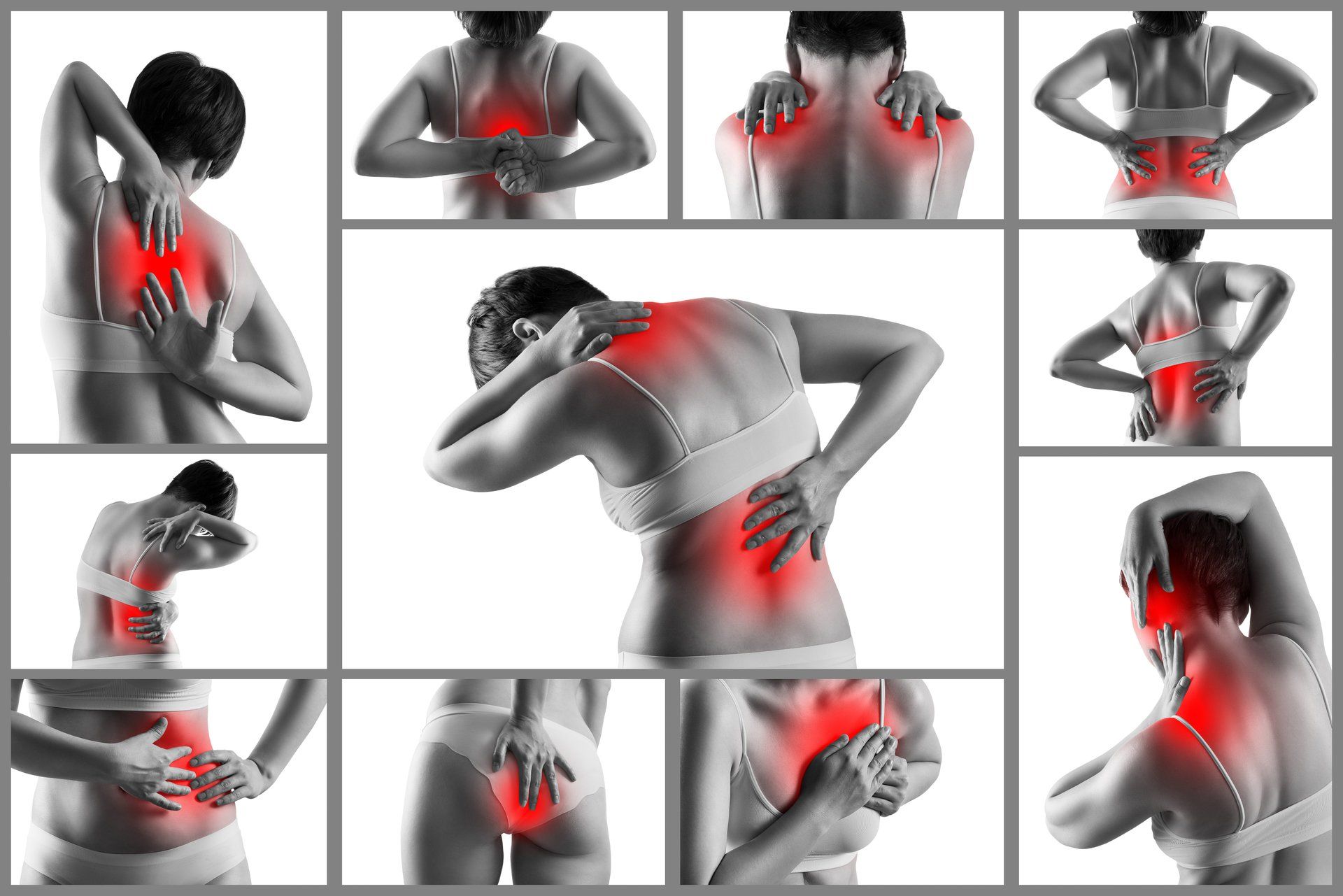
In many cases, joint pain before or during menopause is not linked to a classic joint disease. Instead, hormonal changes are often the underlying cause and can affect joints, muscles, and connective tissue. Nevertheless, persistent or severe symptoms should always be medically evaluated to rule out other possible causes.
Naturally Relieving Joint Pain During Menopause
The timing of symptoms or pain also plays a crucial role in diagnosis. Joint pain triggered after exercise or muscular exertion, for example, indicates acidification of the cartilage area.
If you are of menopausal age, you should pay special attention to your nutrition, particularly if you exercise. It's also important to eat something before training. For instance, a small smoothie or milkshake could help. This is because your body produces stress hormones when your blood sugar is low. This can strain your adrenal glands and lead to more stress and even burnout eventually.
It's also good to consume protein or amino acids after exercise. This should happen about 90 minutes after training.
It's important to eat something before exercise. This helps prevent weakening of the adrenal glands. A good tip: Drink a small smoothie or milkshake before training, depending on what you prefer.
I advise my patients to do this because the body produces a stress hormone called cortisol when blood sugar drops. This should be particularly avoided in the morning. Because if you exercise on an empty stomach in the morning, it can strain your adrenal glands. Excessive cortisol can lead to stress and even burnout in the long term.
Differences Between Osteoarthritis and Rheumatism
Joint pain during menopause can feel similar to other joint conditions. However, it is not always caused by a classic joint disease. In many cases, the symptoms are linked to hormonal changes that occur during menopause.
Osteoarthritis is a long-term degeneration of joint cartilage. It usually develops over many years and often affects heavily used joints such as the knees or hips. The pain typically occurs during movement and may become persistent over time.
Rheumatism or inflammatory arthritis, on the other hand, are diseases of the immune system. In these conditions, the immune system attacks the joints. Typical signs include strong inflammation, pronounced swelling, and often prolonged morning stiffness.
Joint pain during menopause often follows a different pattern. The symptoms may occur in phases, sometimes move from one joint to another, and are often associated with other hormonal changes. Nevertheless, persistent or severe pain should always be medically evaluated to determine whether another joint condition may be present.
Which Joints Are Most Commonly Affected
In principle, the symptoms can occur in many areas of the body. Women most commonly report pain in the hands, fingers, knees, hips, or back. Smaller joints, such as those in the fingers or feet, can also be affected.
Some women notice the pain mainly in the morning or after longer periods of rest. Others feel it more after physical exertion or exercise. Which joints are affected and how severe the symptoms are can vary from woman to woman.
Hormone Replacement Therapy with Bioidentical Hormones
For joint pain, even when swelling (edema) occurs, bioidentical hormones can help. Estradiol, progesterone, and testosterone are particularly useful here.
Estrogen supports the growth of bones and cartilage. Testosterone takes care of our muscles, and progesterone has many tasks. If you experience pain after exercise, you can also take electrolytes. These help prevent excess acid in the body.
Experience Report and Treatment
Background: A patient came to me because she had pain in her little finger. She felt the pain two days after intense training. The pain remained for 2–3 days, and then it was gone. Most of the time, the joint only hurt, and it rarely swelled.
The treatment that really helped:
- Hormone therapy: A cream containing a natural hormone called progesterone. She applied the cream directly to the painful areas.
- She changed her diet.
- Now she takes the Anti-Aging Rimkus® Therapy in capsule form.
.jpg&w=640&q=75)
Isabella Wilden
Dr. Isabella Wilden is a dedicated physician from Germany who became an expert in bioidentical hormones following her own health challenges. With the goal of inspiring others, she shares her journey from chronic illness to restored health and today offers her expertise to help other women facing similar issues.